

Optimising Grazing Systems for Sustained Dairy Performance
8th July 2026
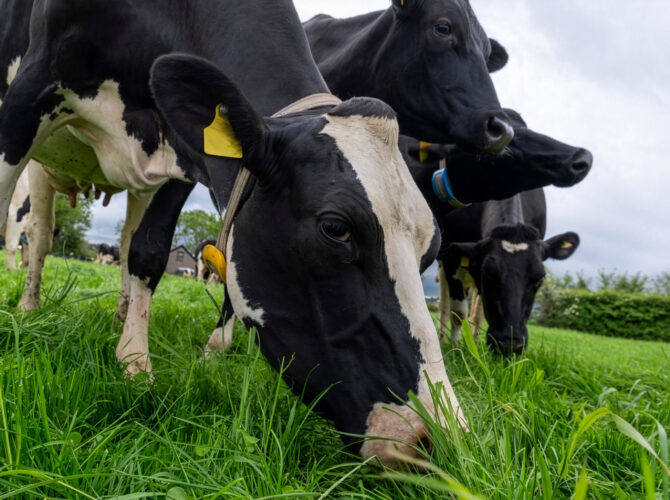
When managed correctly, grazed grass can support a highly profitable milk production system. However, as the grazing season progresses, maintaining cow condition and performance becomes more challenging as grass quality, dry matter (DM) content and growth rates fluctuate.
One of the biggest limitations to performance at grass is insufficient dry matter intake. While grass quality may be excellent, cows must be allocated enough fresh grass each day to consume the energy required to sustain milk production.
As grass DM content varies considerably with weather conditions, daily allocations should be adjusted accordingly to ensure target intakes are achieved.
For example, to achieve a grass DM intake of 14 kg/day:
- Grass at 15% DM = approximately 93 kg fresh weight
- Grass at 20% DM = approximately 70 kg fresh weight
Underestimating grass allocation can quickly reduce milk yield, suppress milk solids and lead to body condition loss. Conversely, over-allocation can result in poor grazing efficiency, higher residual covers, increased wastage, which is the current trend as growth rates have spiked in recent weeks.
Regular grass measuring and allocation calculations are therefore essential to maximise intake and maintain grazing quality. Where on-farm measuring is not feasible, GrassCheck NI provides up-to-date, region-specific grass growth information.
Recommended Grazing Targets
- Entry cover: 2,800–3,200 kg DM/ha (8–12 cm)
- Exit cover: 1,500–1,700 kg DM/ha (4-6 cm)
Approximate regrowth periods to reach re-entry covers:
- Growth rate 70 kg DM/ha/day = 20 days
- Growth rate 50 kg DM/ha/day = 30 days
Maintaining these targets encourages high-quality leafy regrowth and improves overall grass utilisation throughout the grazing season.
Where grass growth exceeds grazing demand and pre-grazing covers become too heavy (>8–12 cm), surplus paddocks are often better removed and cut for silage. Cows struggle to achieve target residuals on heavier covers, resulting in increased trampling, poorer utilisation and reduced regrowth quality within the rotation.
Supporting Rumen Health at Grass
As herds move into second and subsequent grazing rotations, maintaining rumen health becomes increasingly important to sustain milk production and avoid milk fat depression.
Young leafy grass is highly digestible and rapidly fermented in the rumen. While this supports excellent production potential, its low fibre content and high rumen degradable protein levels can increase rumen throughput and compromise rumen stability. Maintaining rumen pH is therefore essential for effective fibre digestion and optimal butterfat production.
Including rumen buffers in concentrate feeds can help to:
- Stabilise rumen pH
- Support fibre digestion
- Reduce the risk of sub-acute ruminal acidosis (SARA)
- Maintain butterfat levels during periods of lush grazing
Offering forage or a partial mixed ration (PMR) alongside grazing can further support rumen health. Providing effective fibre through a forage-based buffer feed helps stabilise rumen pH and bridge nutritional gaps without significantly reducing grass utilisation. This is even more important if cows are yielding more than 35 litres, to maintain consistency in the diet.
C16 fat supplements are also commonly used in grazing diets to support butterfat production, particularly where low fibre grass diets contribute to milk fat depression. When correctly balanced within the diet, C16 supplementation can help maintain or improve butterfat levels while increasing the cow’s energy supply.
Maintaining performance at grass requires close attention to ensure adequate dry matter intake, help achieve grazing targets and supporting rumen function all help to sustain milk yield, milk solids and cow condition throughout the season. Small nutritional deficits can quickly impact performance, making early intervention essential.
For tailored advice on grazing management, rumen health and supplementation strategies, contact your local Fane Valley Feeds nutritionist or call Fane Valley Feeds on 028 8224 3221