

Brown Fat and Lamb Survival: The Science Behind a Strong Start
8th January 2026
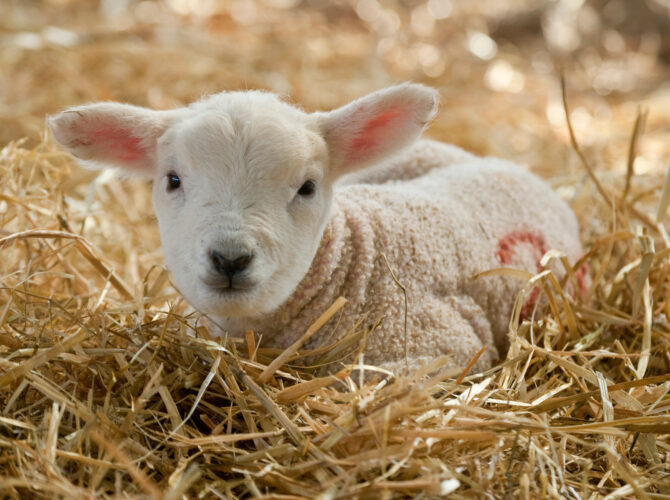
Lamb losses in the first 24 to 48 hours after birth remain a major challenge on sheep farms, often caused by cold, wet weather and weak lambs struggling to suckle. Central to whether a lamb survives this critical period is its ability to maintain body heat, which depends on a special type of fat called brown adipose tissue (brown fat).
What is Brown Fat?
Brown fat is a unique, highly active fat found in newborn lambs around the shoulders, kidneys and chest. Unlike regular fat, brown fat’s primary function is to produce heat through a process called non-shivering. This means it burns energy to generate heat instead of using it for growth or movement. Crucially, lambs are born with a fixed amount of brown fat formed before birth; once these reserves are depleted, the lamb cannot regenerate more.
Heat Production
Brown fat is most effective in the first 12 hours of life, helping the lamb warm up quickly after birth. It is rapidly used, especially in cold, wet or windy conditions. When brown fat runs out, the lamb’s body temperature drops, causing weakness, reduced suckling reflex and increased risk of hypothermia and death unless the lamb receives energy from colostrum.
Impact of Ewe Nutrition in Late Pregnancy
Since brown fat develops primarily during the last six weeks of gestation, the ewe’s nutrition in this period is vital. Ewes that don’t get enough energy produce lighter lambs with smaller brown fat reserves. This is particularly true for twin and triplet-bearing ewes, whose energy needs rise sharply while rumen space shrinks. Adequate protein is also essential for normal foetal growth and fat development. Without sufficient protein, lambs may be smaller and weaker.
Mineral Importance
Certain trace minerals and vitamins support heat production and metabolism:
- Iodine and selenium are critical for hormone production that regulates heat generation.
- Vitamin E aids muscle and metabolic function. Deficiencies might not cause obvious illness but can leave lambs less resilient and more prone to cold stress.
Conclusion
Brown fat is a lamb’s natural survival mechanism to generate heat in the first hours after birth, but it’s a finite resource determined before birth by the ewe’s nutrition. Ensuring ewes receive adequate energy, protein and minerals in late pregnancy is key to boosting brown fat development and improving lamb survival.
Maximise Lamb Survival with Fane Valley Feeds
Ensuring optimal brown fat development in lambs starts with excellent ewe nutrition during late pregnancy. At Fane Valley Feeds, we understand the crucial role of balanced energy, protein and mineral intake in boosting lamb resilience and survival rates. Our specially formulated ewe feeds and nutritional advice are designed to support your flock through this critical period.
To give your lambs the strongest possible start, contact your local Fane Valley Feed Advisor today for a tailored feeding program or call 028 8224 3221.