

Grazing for Growth: Managing Dairy Heifers at Grass
18th August 2026
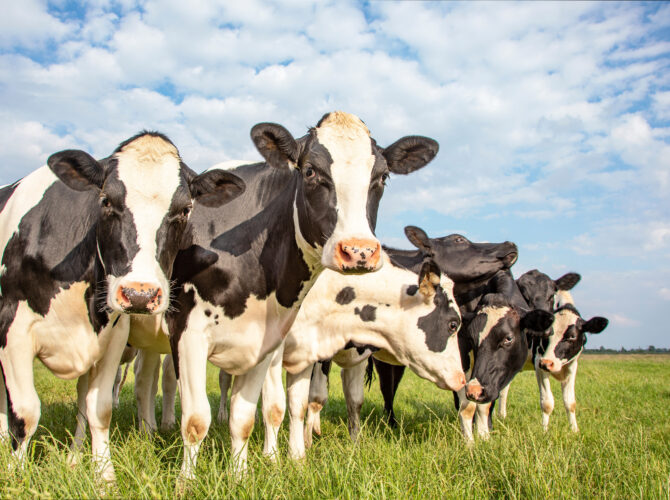
Efficient and well-managed heifer rearing plays a vital role in the productivity and profitability of any dairy herd. Grazing heifers can provide a cost-effective alternative to housing, reducing expenditure on feed, bedding and labour at a time when input costs remain high. However, achieving such cost savings must go hand in hand with effective management to ensure heifers meet key growth and development targets and ultimately enter the milking herd as healthy, productive replacements.
Setting growth targets:
Regular growth checks are one of the most important management tools accessible to farmers. Heifers reaching their target breeding weight between 13 and 15 months are more likely to calve down at 22-24 months. At this age, heifers are proven to demonstrate enhanced fertility, greater lifetime performance and reduced rearing costs per litre of milk produced.
Growth targets should be based on the mature bodyweight of the herd as opposed to simply using age as a guide.
Recommended growth checks throughout the rearing phase:
- At 6 months: 200 kg
- At 12 months: 300–330 kg
- At breeding (13–15 months): 55–60% of mature weight (330–360 kg)
- Pre-calving: 85–90% of mature weight (540–580 kg)
A daily live weight gain (DLWG) of 0.7–0.8 kg/day should be targeted from weaning through to breeding. Regular weighing every 4–6 weeks helps identify a decline in performance early and facilitate timely intervention.
We need to be conscious or excessive energy intake and over-conditioning during the pre-pubertal period, as this can increase fat deposition within the developing mammary gland and reduce development of milk secreting parenchymal tissue, potentially compromising subsequent milk production
Grazing management and supplementation:
Grass quality and grazing management have a significant influence on heifer performance. Rotational grazing is recommended to provide consistent access to fresh, high-quality pasture. Pre-grazing sward heights should be targeted at 8–10 cm, with the aim of grazing down to 4–5 cm.
As grass growth and quality begin to decline, supplementation with approximately 2 kg/head/day of concentrate can help maintain target growth rates and ensure nutritional requirements are met. Introducing a small quantity of concentrate at this stage of the grazing season can also help prepare heifers for the transition to housed diets, supporting a smoother dietary change and reducing the risk of digestive upset.
Following the prolonged dry spell, conserved forages may also need to be offered alongside concentrates where grass supply or quality falls below the level required to sustain target performance. Maintaining adequate forage availability is particularly important where reduced grass intake could otherwise result in growth setbacks.
Grouping heifers according to size and age can help minimise competition and bullying, allowing smaller animals to access feed and grazing more effectively. Stocking rates should also reflect grass availability and quality, helping to maintain consistent growth while preventing excessive grazing and sward damage.
For tailored advice on grazing management and heifer nutrition to maximise the longevity and lifetime profitability of your heifers, contact your local Fane Valley Feeds Advisor or call 028 8224 3221.