

Mycotoxin Prevalence on NI Farms: Fane Valley Feeds – Mycotoxin Survey 2025
8th December 2025
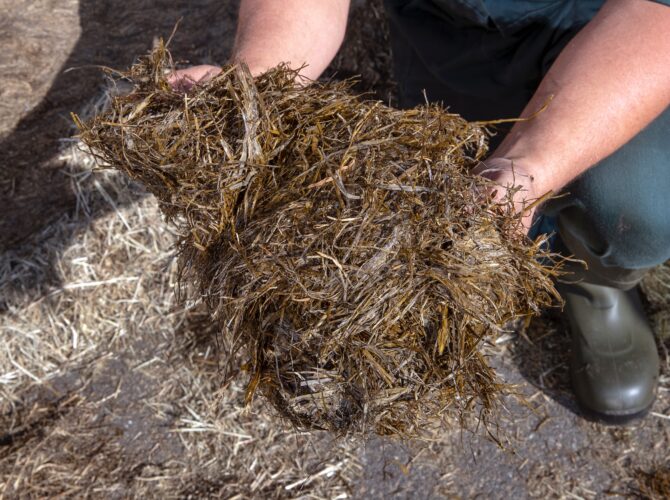
Fane Valley Feeds has completed its Annual Mycotoxin Survey, providing an overview of mycotoxin levels detected in forage samples from farms across Northern Ireland during the 2025 harvest season. Both the overall trends and individual analysis results show that most farms face some degree of mycotoxin risk.
The survey objectives were to deepen our understanding of on-farm risk factors, inform farmers of their specific mycotoxin burden, and support effective risk management strategies. Mycotoxin contamination is not a new challenge, but it remains a significant and persistent issue for many farms, making proactive mitigation essential.
A total of thirty-three forage samples were collected from farms across Northern Ireland and Donegal between September and October 2025. Samples included first and second cut grass silages and whole crops produced during summer 2025. A Risk Equivalent Quantity (REQ) calculated from mycotoxin concentration and associated risk factors was used as a measure of potential impact on animal health, immune function, fertility and production.
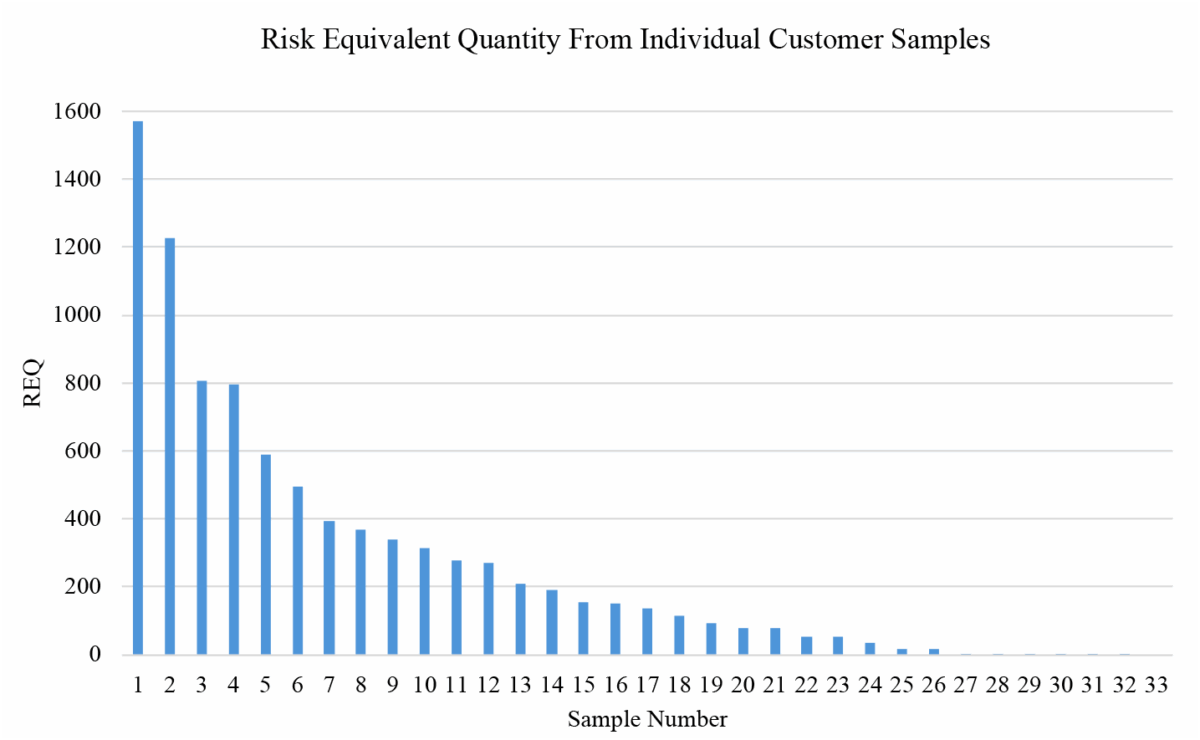
Figure1: Mycotoxin Risk Equivalent From Individual Customer Forage Samples
An REQ below 50 (25% of our samples) is considered low risk, while an REQ above 100 (54% of our samples) indicates high risk. Overall, 12% of samples were effectively clean with minimal risk. Individual farm REQ values are presented in the graph above.
Penicillium toxins continue to be the most prevalent, with 67% of samples showing high Penicillium levels, an increase of 17% from 2024. Most affected samples contained this single mycotoxin. However, a greater diversity of toxins was also detected this year. Five mycotoxin families were identified: Penicilliums, Zearalenones, Emerging Mycotoxins, Type A Trichothecenes and Fumonisins. This points to both a growing range of mycotoxins present on farms and an increase in associated risks.
REQ values also varied more widely than in previous years, ranging from as low as 0.3 ppb to over 1500 ppb. The average REQ of 268 ppb across the thirty-three samples is significantly higher than what is classified as high risk and 10% higher than 2024.
Whether or not visible signs of mycotoxin challenges are present in the herd, a mitigation strategy is strongly recommended. As most farmers will need to feed forage made this year, it is advisable to consider targeted use of a mycotoxin binder if one is not already included in the ration. Looking ahead, clamp compaction, sealing practices and feed out management should be reviewed to reduce future risk.
Recommended binder inclusion rates will vary depending on the brand and type used but generally fall within preventative or treatment-level ranges.
Monitoring herd performance remains essential in identifying early signs of potential mycotoxin burdens. Fane Valley Feeds continues to carry out regular forage analysis, if you are interested, please contact your local Fane Valley Feeds Advisor to take part in future surveys or call 028 8224 3221.