

No Room for Passengers – Understanding Costs to Make Informed Decisions
19th March 2026
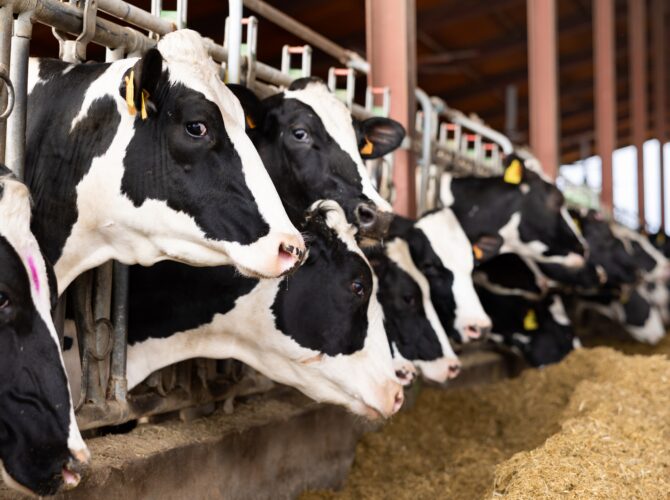
2025 will be remembered as a standout year for farming in Northern Ireland. Favourable weather conditions delivered exceptional grass growth, forage stocks were plentiful and of high quality and milk and beef prices remained strong for much of the year.
However, the sharp decline in milk price since October has provided a stark reminder of the volatility that defines the dairy sector. As margins tighten, farms are more conscious of costs, more targeted on efficiency to ensure every cow in the herd is earning her place.
As we come into Spring, the priority is clear, efficiency must come first across all sectors.
Understanding Costs
Improving efficiency on your farm starts with knowing the true cost of production. Without accurate figures, inefficiencies are difficult to identify and even harder to correct.
Key measures such as margin over purchased feed and margin over total feed provide valuable insight into how effectively feed is being converted into saleable milk. These indicators help assess financial performance within the system. Most farms at present are running at a margin after all feed of around £4-5 per cow per day.
Equally important is establishing the break-even milk yield. The minimum level of production required per cow to cover costs. Once this benchmark is known, it becomes much easier to identify which cows are contributing positively to overall margin and which are failing to justify their place.
In the current milk price environment, carrying underperforming cows through winter is a costly decision and for some farms this breakeven milk price is 21 litres.
Opportunities in Beef
Strong beef prices are offering dairy farmers an important opportunity to strengthen herd efficiency.
High cull cow values improve the economics of removing low-performing or problem cows, allowing farms to generate immediate cash flow while reducing winter feed demand. Rather than carrying costly passengers, producers can convert inefficiency into income and tighten overall herd performance.
Additionally, dairy cross beef calves continue to provide useful early-season cash flow, helping to offset rising input costs and ease pressure on farm budgets. These prices help generate cash fast in open herds but also farms should consider the opportunity in finishing these animals through their own systems, if practical, with the positive margins witnessed.
Balancing Diets for Improved Feed Efficiency
Feed remains the largest variable cost on most dairy farms, making feed efficiency central to winter feeding management.
Regular forage testing is essential to understand the quality of silage being fed and to balance diets accurately to cow requirements. When rations are properly matched to forage quality, rumen function is optimised and feed is converted more efficiently into milk and milk solids.
In a lower milk price climate, precision matters. Purchased feed should only be included where it delivers a clear return. The cheapest ration on paper is not always the most cost-effective and diets that compromise rumen health or milk solids output often reduce overall efficiency and erode margin.
The next few months call for disciplined, decisive management. Understanding production costs, using favourable beef markets to remove inefficiencies and maximising feed efficiency through balanced diets will be critical in protecting profitability.
By ensuring every cow is contributing to margin and removing those that are not will ensure dairy farms can navigate the current downturn and position themselves strongly for when milk prices recover.
To find out how Fane Valley Feeds can help you improve feed efficiency, contact your local Fane Valley Feeds Advisor or call 028 8224 3221.