

Optimising Your Silage Budget: Getting the Most From Your Winter Forage
8th December 2025
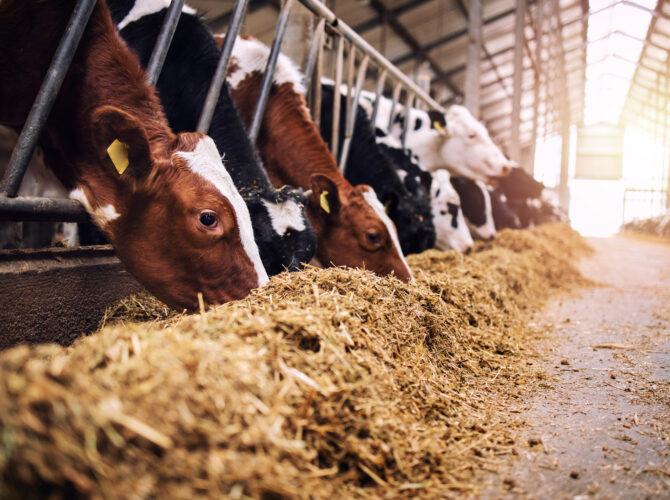
With winter feeding well underway on most farms, now is the ideal time to assess your silage stocks and identify whether you will be in surplus or deficit by turnout or when first cut is harvested next year.
Although 2025 has been a favourable year for grass growth on many farms, it remains essential to estimate how long your silage will last. This allows you to make informed decisions about feed allocation and ensure that your highest-quality silage is directed to the stock groups that will benefit most.
Step 1: Understand the Silage volume you have on your farm
Begin by calculating the total amount of silage available, including both pits and bales. Count all bales on farm and measure the volume of remaining pit silage.

If you need assistance with this, your local Fane Valley Feed Advisor will be happy to help.
Step 2: Calculate Daily Usage
Once you know the total amount of silage available, estimate your daily usage by recording the fresh weight of silage fed to all animals each day.
Next, divide the total silage quantity by the daily usage to estimate how many days your silage will last on farm. If this falls short of turnout—allowing for at least a one-month buffer in case of a late spring—you may be facing a forage deficit. In this case the key is to be proactive and plan ahead!
Step 3: Managing a Forage Deficit
Identifying a forage deficit early gives you more time to explore options. Here are some strategies to address a shortfall:
- Purchase silage: Buying silage can quickly fill gaps. Factor in transport costs and monitor silage quality closely through regular testing. If silage is delivered regularly by trailer, aim to use each load within 2–3 days to prevent heating and spoilage.
- Increase concentrate feeding: High-fibre concentrates such as soya hulls & Sugar Beet can replace silage while maintaining or improving animal performance. 1kg of soya hulls could save up to 4kg of silage fresh weight, but this has limits, and careful diet balancing is essential to protect rumen health.
- Feed straw: Approximately 1 kg of straw can substitute for 2-3 kg of silage in the diet. Additional concentrates will be required to maintain the diet’s energy density, and higher protein levels must be provided to sustain animal performance.
- Reduce demand: With milk prices under pressure and beef prices remaining strong, this could be a good opportunity to remove any passengers, by culling problem cows or poor performers, lowering overall forage demand.
By regularly reviewing your silage stocks and usage, you can manage your winter feed more effectively and avoid surprises. Taking proactive steps now will help ensure your animals maintain performance throughout the winter months.
If you require further assistance in completing a silage budget or wish to discuss options to stretch existing forage supplies, please contact Nathan McClure on 07708 077467 or speak with your local Fane Valley Feed Advisor.