

Industry Insights & News
News & Technical Updates
Latest News
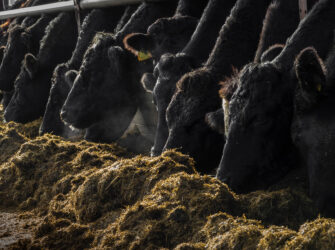
Driving Beef Performance and Feed Efficiency This Winter
3rd September 2026
As cattle move towards housing this winter, attention turns to achieving cost effective performance from winter feeding programs. With beef margins under pressure and grain markets beginning to strengthen, feed efficiency will be more important than ever. Driving performance is not simply about increasing concentrate feeding rates. The objective should be to maximise the efficiency…

Grazing for Growth: Managing Dairy Heifers at Grass
18th August 2026
Efficient and well-managed heifer rearing plays a vital role in the productivity and profitability of any dairy herd. Grazing heifers can provide a cost-effective alternative to housing, reducing expenditure on feed, bedding and labour at a time when input costs remain high. However, achieving such cost savings must go hand in hand with effective management…

When managed correctly, grazed grass can support a highly profitable milk production system. However, as the grazing season progresses, maintaining cow condition and performance becomes more challenging as grass quality, dry matter (DM) content and growth rates fluctuate. One of the biggest limitations to performance at grass is insufficient dry matter intake. While grass quality…
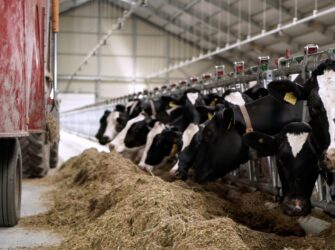
Why Making Quality Silage Pays
18th June 2026
Grass silage forms the basis of most winter diets for dairy herds, and the quality of this silage determines the level of concentrate supplementation required to meet milk production targets. With margins coming under pressure on farm due to increased costs and a lower milk price, it is now more important than ever to ensure…
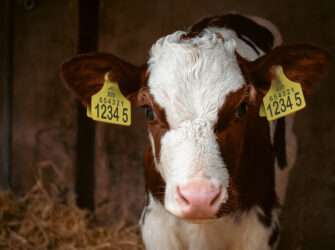
Feeding the Future: Quality Nutrition for Young Calves
18th May 2026
Concentrate feeds play a vital role in the early development of a calf’s rumen, laying the foundation for lifelong health and productivity. However, as at birth a calf’s rumen is underdeveloped, milk is the primary source of nutrition during the first weeks of life. It is encouraged to introduce concentrates early. This promotes fermentation within…
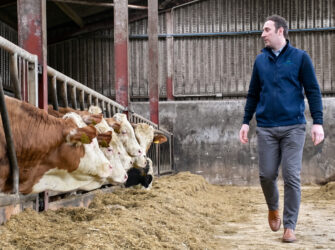
For many beef farmers around the country, feed represents one of the most significant costs to their business. That’s why at Fane Valley Feeds, we have launched the MAXIMUS range, which is proven to increase the feed efficiency of beef animals, leading to more liveweight gain from the same amount of concentrates. The MAXIMUS feed…
Optimising Spring Turnout for Better Grazing Performance
29th April 2026
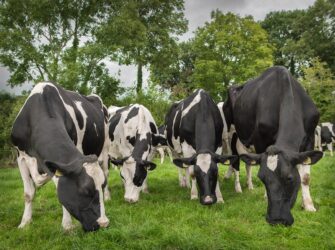
Transitioning cows from winter diets to fresh spring grass offers an opportunity to increase milk production from forage, reduce concentrate feed costs and improve farm profitability. However, successful grazing management is essential to maintain performance levels and maximise these economic benefits. The aim: The main objectives of spring grazing management are to gradually increase the…
MAXIMUS – Built for Profit,Performance & Sustainability
23rd April 2026
Driving performance in beef cattle is not simply achieved by increasing feed rate, but by maximising the efficiency of nutrient utilisation in the animal. Understanding costs, accurate forage assessment and precise ration formulation remains central to achieving desirable performance outcomes within any beef production system. At Fane Valley Feeds, this principle underpins our approach to…

Spring Grazing: A Practical Approach
3rd April 2026
Spring turnout can offer one of the largest opportunities to improve margins on some dairy farms, if it’s managed correctly. Grass is the cheapest feed available, yet its full benefit is often not realised due to poor transition management when cows are first turned out. Early grazing sets the foundation for the entire season. The…
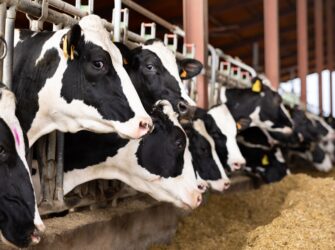
2025 will be remembered as a standout year for farming in Northern Ireland. Favourable weather conditions delivered exceptional grass growth, forage stocks were plentiful and of high quality and milk and beef prices remained strong for much of the year. However, the sharp decline in milk price since October has provided a stark reminder of…